

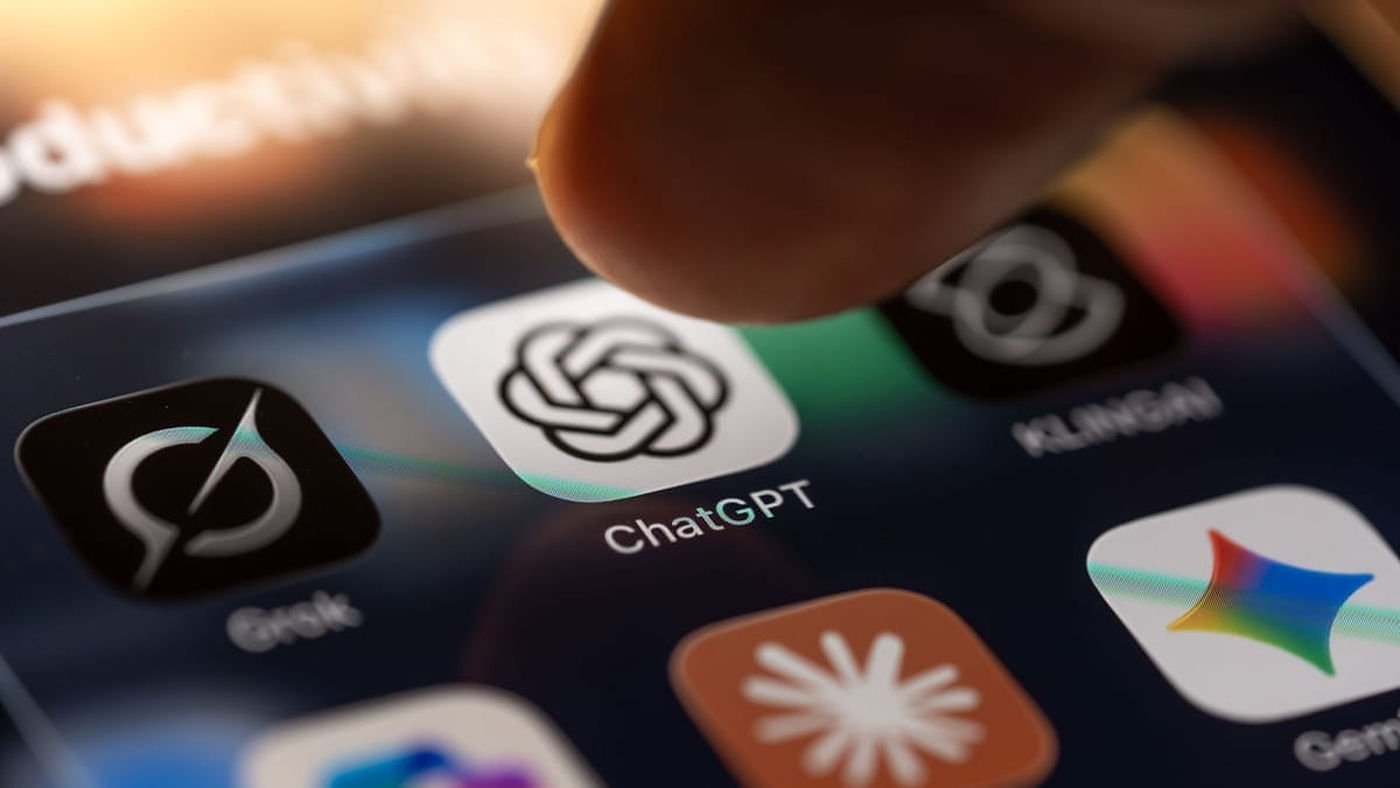
ChatGPT now accounts for a fifth of Google search volume. A figure announced by Adam Fry, director of consumer products for ChatGPT at OpenAI, which demonstrates the rise of the AI chatbot in the online search market.

OpenAI claims that ChatGPT harms Google in searches
The comparison was revealed during an event organized by OpenAI in New York. Interviewed by Big Technology Newsletter Alex Kantrowitz, Adam Fry of OpenAI confirmed that reached the volume of queries comparable to searches on ChatGPT “about a fifth of Google’s query volume”.
The 20% figure does not mean that ChatGPT has a fifth of the search engine market share. OpenAI compares request volumes with its own definition. According to Adam Fry, a query is a question submitted to ChatGPT when it triggers a web search. Therefore, a request for a definition or a simple explanation does not necessarily enter into this calculation.
Uncertainty also remains on Google’s part: OpenAI did not specify which source or which method it used to establish the reference volume. The comparison thus gives an order of magnitude, but does not allow us to accurately calculate ChatGPT’s share of the global search market.
Google maintains an advantage
To measure the magnitude of the figure, Google declared in April 2025 that it processed more than 5 trillion searches a year, or more than 13 billion daily on average. These data, published by Alphabet (Google’s parent company) during the presentation of its quarterly results, confirm the considerable magnitude of its activity. Therefore, the volume claimed by OpenAI is still much lower than that of the historical search engine.
ChatGPT’s progression is also supported by a rapidly expanding user base. Adam Fry says the service grew from 1 billion to 1.2 billion weekly active users in two months, with around 100 million additional users each month. However, these figures, also reported by OpenAI, do not specify how many people actually use the AI chatbot to search the Internet.
This development comes as Google gradually strengthens artificial intelligence features in its search engine, particularly with AI Previews and its new generative search experiences. Competition is thus directed towards interfaces capable of directly answering questions, synthesizing information and offering interactive results.
For OpenAI, reaching 20% of Google volume is an important indicator of conversational search adoption. It remains to be seen whether this progression will result in a lasting change in search habits and direct competition with Google’s economic model.


