Réécris le contenu suivant en français naturel, fluide et professionnel, adapté à un site d’actualités technologiques et de cybersécurité.
RÈGLES STRICTES :
1. LANGUE
– Le contenu final doit être entièrement en français.
– Utilise un français naturel, moderne et professionnel.
– Ne laisse pas de phrases ou paragraphes en anglais, sauf les noms propres, marques, produits, technologies, citations ou termes qui doivent rester dans leur forme originale.
– N’utilise pas de traduction littérale maladroite.
2. EXACTITUDE
– Conserve toutes les informations et affirmations factuelles du contenu original.
– N’invente aucune information.
– N’ajoute aucune spéculation, opinion, statistique, citation ou détail absent de la source.
– Conserve correctement les noms, entreprises, produits, technologies, dates, chiffres et termes techniques.
– Ne change jamais le sens d’une information.
3. HTML — TRÈS IMPORTANT
– Conserve TOUS les balises HTML existantes.
– Ne supprime, n’ajoute, ne renomme et ne réorganise aucune balise HTML.
– Conserve exactement les attributs href, src, alt, title, class, id et tous les autres attributs HTML.
– Conserve exactement les URL, liens, images et éléments intégrés.
– Ne transforme pas le HTML en Markdown ou en texte brut.
4. QUALITÉ RÉDACTIONNELLE
– Réécris réellement le contenu avec une nouvelle formulation et une structure de phrases naturelle.
– Améliore la grammaire, la fluidité, la clarté et la lisibilité.
– Adopte le style d’un journaliste professionnel spécialisé dans la technologie et la cybersécurité.
– Utilise des transitions naturelles.
– Évite les répétitions, le remplissage et les formulations artificielles.
– N’utilise pas de langage sensationnaliste ou clickbait.
5. STRUCTURE
– Conserve la structure générale de l’article.
– Conserve les paragraphes, titres, listes, liens et éléments HTML dans leur emplacement d’origine.
– Conserve approximativement le même niveau de détail et la même longueur.
– Ne raccourcis pas l’article de manière importante sans raison.
6. SORTIE
– Retourne UNIQUEMENT le contenu réécrit en français.
– N’ajoute aucune explication, note, commentaire ou introduction en dehors de l’article.
CONTENU ORIGINAL :
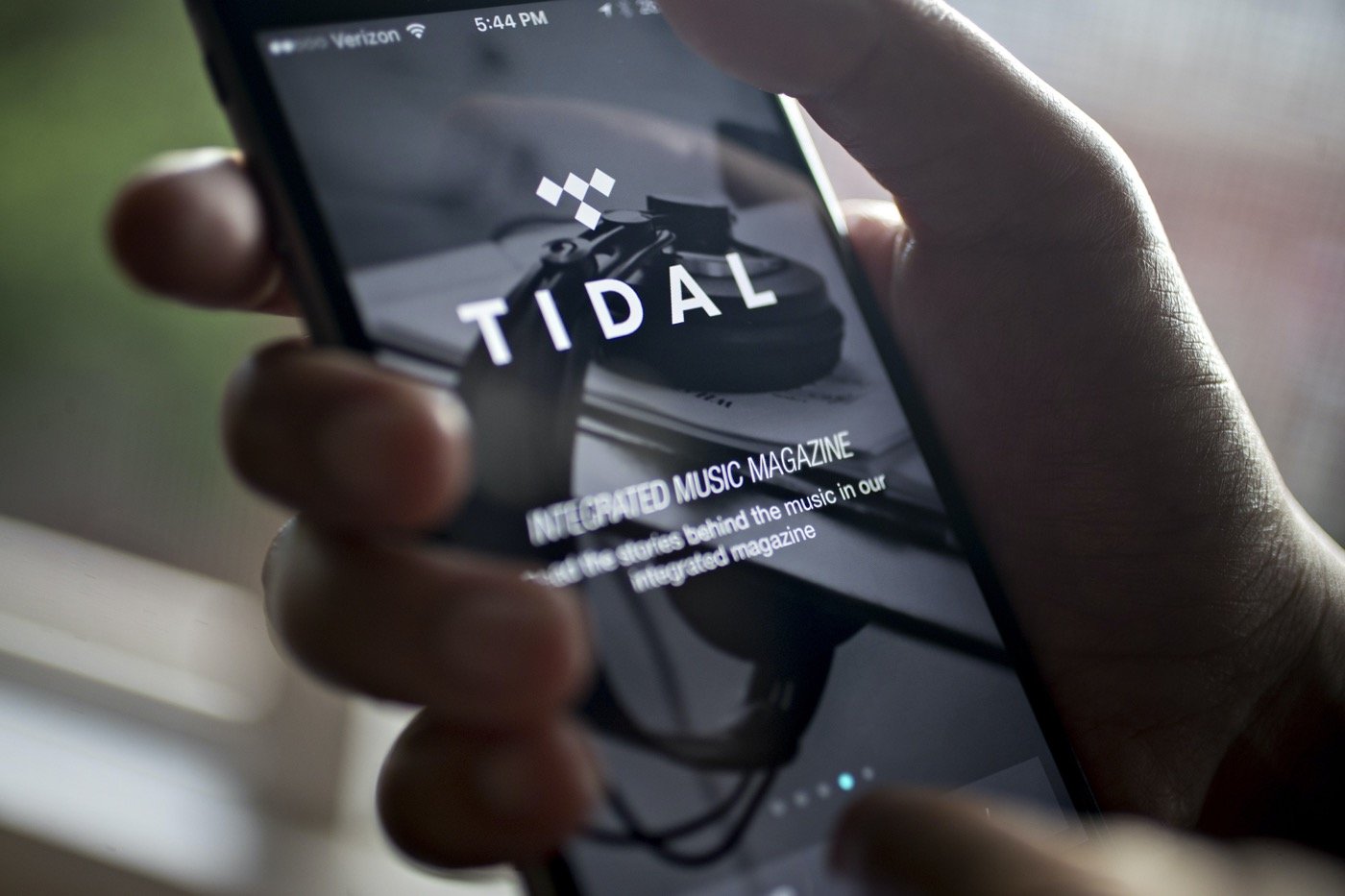
Tidal is radically changing its strategy in the face of the influx of music generated by artificial intelligence. The streaming platform advertisement that will eliminate themes entirely created by AI from its catalog as of December 9, 2026 and will reject their distribution from then on. A decision that could cause the disappearance of nearly 29 million titles.

Ban on songs generated entirely by AI
Tidal explains that its previous measures of identifying AI-generated songs and depriving them of remuneration were not enough. In the last 90 days, 43% of the titles delivered to the streaming service have been identified as generated entirely by artificial intelligence. On November 6, this proportion even exceeded 60% of new deliveries received in a single day. Currently, the platform lists around 27 million songs identified as such, or 6.3% of its catalog. A figure that could reach 29 million at the time of its elimination.
The new policy does not affect all productions that use artificial intelligence. Tidal focuses exclusively on recordings whose final result is generated entirely with tools such as Suno or Lyria. Artists who use AI to support their work, without trusting it with all the music creation, will still be able to publish their pieces. The platform thus wants to distinguish between human productions assisted by AI and automatically generated titles without real human artistic contribution.
Starting December 9, it will no longer be possible to submit fully AI-generated songs to Tidal. New deliveries will be automatically rejected when their metadata indicates a creation based exclusively on artificial intelligence tools. At the same time, the platform will begin removing titles already in its catalog, with the goal of removing them completely by early 2027. Tidal estimates that its new rules will result in between 80,000 and 85,000 tracks being rejected per day.
To identify these productions, Tidal relies in particular on Ircam Amplify, a French company specialized in audio analysis, and the Institute for Research and Coordination of Acoustics/Music (IRCAM). Its technology must make it possible to detect artificially generated songs, in addition to the information declared by distributors. Artists who believe their music has been incorrectly identified can also request a review from the service.
Tidal wants to protect artists and streaming revenue
The platform justifies this change due to the consequences of the multiplication of artificial pieces on the remuneration of artists. According to their own statistics, 96% of tracks identified as fully AI-generated had no plays in the last three months. However, their massive presence in the catalog complicates the discovery of new artists and can divert part of the revenue distributed to rights holders. Tidal also claims to have removed more than 65,000 songs suspected of spoofing the names of existing artists to mislead listeners.
This decision distinguishes Tidal from several competitors that have chosen a less radical approach. Spotify and Apple Music are working, in particular, on systems to identify AI-generated content, while Deezer already offers tools to flag it and exclude it from certain recommendations. Bandcamp, however, made a similar decision in January by banning music created wholly or primarily by artificial intelligence. Tidal thus becomes one of the first major subscription streaming services to opt for a total exclusion of these productions.