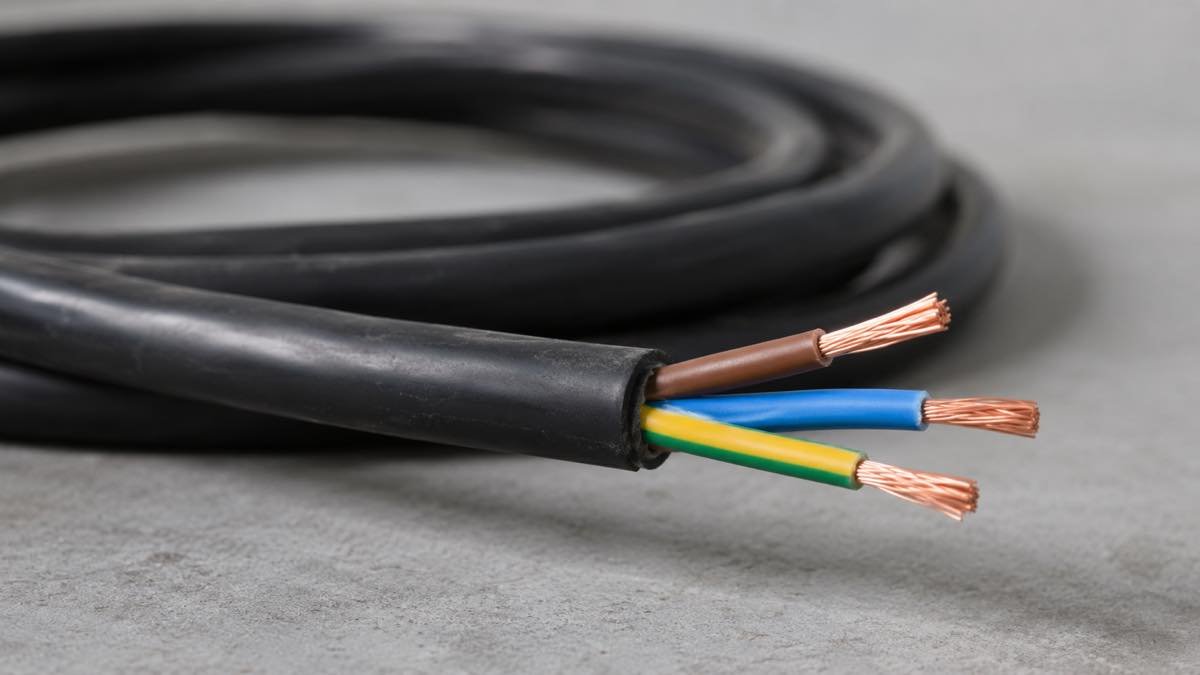
The race for data centers with artificial intelligence runs into much less spectacular equipment than processors: the cables necessary for its power. Nexans warns of global production capacities under pressure, with manufacturers unable to ramp up as quickly as developers want to connect their new sites.

Three years to add a production line
Asked about ReutersVincent Piquet, Nexans’ chief financial officer, estimates that it will take about three years to build a new line of cables insulated with cross-linked polyethylene, also called XLPE. These installations, known in the industry as CV lines, require specialized equipment, adapted infrastructure and commissioning. Demand may accelerate within a few months; The industrial tool is developed over several years.
The difficulty also lies in the diversity of the necessary equipment. Before reaching the servers, electricity must leave the grid, pass through substations and transformers, and then be distributed to buildings. The cables used in these different stages comply with specific voltage, insulation, temperature and safety restrictions. Therefore, a product available in stock cannot indiscriminately replace the one intended for an installation. According to Vincent Piquet, larger installations use proportionally more medium voltage cables, which increases the pressure on this part of the supply.
Therefore, buyers are looking to reserve their supplies much further in advance. The manager cites Enedis, which has gone from essentially annual agreements to six or seven-year contracts. For a manufacturer, these commitments provide useful visibility for planning its production and deciding to invest. They also illustrate the competition between the needs of data centers and those of power grids, which in turn must be strengthened to support electrification.

Producing electricity is not enough to connect a site
However, the difficulties go beyond the simple availability of cables. In Texas, the proliferation of projects has led to the suspension of new connections pending an examination of the applications in question. Google, for its part, seeks to secure its supply with a 3.59 GW nuclear contract. However, having reserved production does not, in itself, regulate the supply of electricity to buildings.
The risk can even weigh on contractual commitments. In September, Oracle issued a force majeure notice to a Blue Owl affiliate that was developing a data center in New Mexico, citing possible difficulties in obtaining sufficient electrical power. This case refers to the electrical supply of the project as a whole: it does not allow the problem to be attributed to a specific shortage of cables.
Europe presents a different profile. Vincent Piquet believes that the networks of some Northern countries facilitate connections, but regulatory procedures slow down projects. It also anticipates a less marked expansion than in the United States, due to a more limited capacity for private investment and a greater role for public financing.
Nexans plans to strengthen its medium voltage capabilities
in your financial press release Posted on October 22, Nexans announces organic growth of 9% in the third quarter of 2026 and 3.9% during the first nine months of the year. PWR-Grid and PWR-Connect activities grew by 14.8% and 10.5% respectively during the quarter. These results cover several electrification markets; The group does not publish revenue figures that isolate just AI data centers.
Nexans also plans to invest around 62 million euros In the coming years, it will increase its production of medium voltage accessories in Europe and the United States. The group indicates that its European capacities are saturated and that US investments must significantly reduce delivery times to meet the needs of data centers and electrical grids.