

Tesla gives a new dimension to its Roadster: that of aerial acrobatics. Presented last night in Texas, the electric sports car uses technologies developed with SpaceX to suddenly accelerate, leave the ground and spin in the air. Almost nine years after its presentation in 2017, the project returns with three configurations and a new industrial objective: a production start in 2028. However, neither final prices nor delivery dates are publicly set.

Fans for grip, thrusters for takeoff.
The demonstration held at SpaceX’s McGregor Test Site bore little resemblance to a typical car launch. The Roadster climbed a curved ramp until it found itself upside down, before abandoning it and returning to the ground using its thrusters. Another footage showed him driving through a line of Tesla vehicles while performing an aerial spin.
Two different devices make these movements possible. Firstly, fans extract the air located under the bodywork. The depression thus created presses the vehicle against the surface, with enough force, according to Tesla, to keep it upside down. Therefore, this aspiration system serves to increase gripand not blow up the car. It complements the mobile aerodynamic elements that modify the support according to needs.
Air travel is based on cold gas thrusters. Gas stored at high pressure is expelled through nozzles to produce thrust, without combustion. Its installation in different places of the vehicle allows it to influence acceleration, lift and orientation. The SpaceX pack that has been talked about for several years thus takes a concrete form, far from being a simple option intended to save a few tenths during start-up.
Another notable moment: an acceleration shown in 0.81 seconds to reach 60 mphor approximately 97 km/h. Precision matters: it’s not a 0-100 km/h time. This measurement also comes from a manufacturer’s demonstration, not an independent test that allows the Roadster to be directly compared to production cars. Tesla also advertises a top speed of over 370 km/h. Elon Musk’s mentioned ambition of reaching half the speed of sound remains, at this point, an additional goal, not an established realization.
Performance, Thrust and Rocket do not promise the same experience
Not all future owners will have the capabilities shown in the scenario. Tesla now distinguishes three configurations, whose equipment and uses differ significantly.
There Performance constitutes the planned proposal for the highway. It retains two seats, active aerodynamics and the aspiration system, but dispenses with the cold gas thrusters. The manufacturer already announces less than 1.6 seconds to go from 0 to 100 km/h. There PushMore oriented to the track, it adds rear thrusters to drop 0.9 seconds in the same exercise, maintaining a two-seater interior.
There Rocket takes the concept much further. Single-seat and accessible only by invitation, you receive the device that allows vertical movements and rotations. It’s this configuration that carries the Roadster’s aerial promise. It is not advertised as authorized to circulate on public roads: therefore, its capabilities should not be confused with those of a car that could be used freely to avoid a traffic jam.
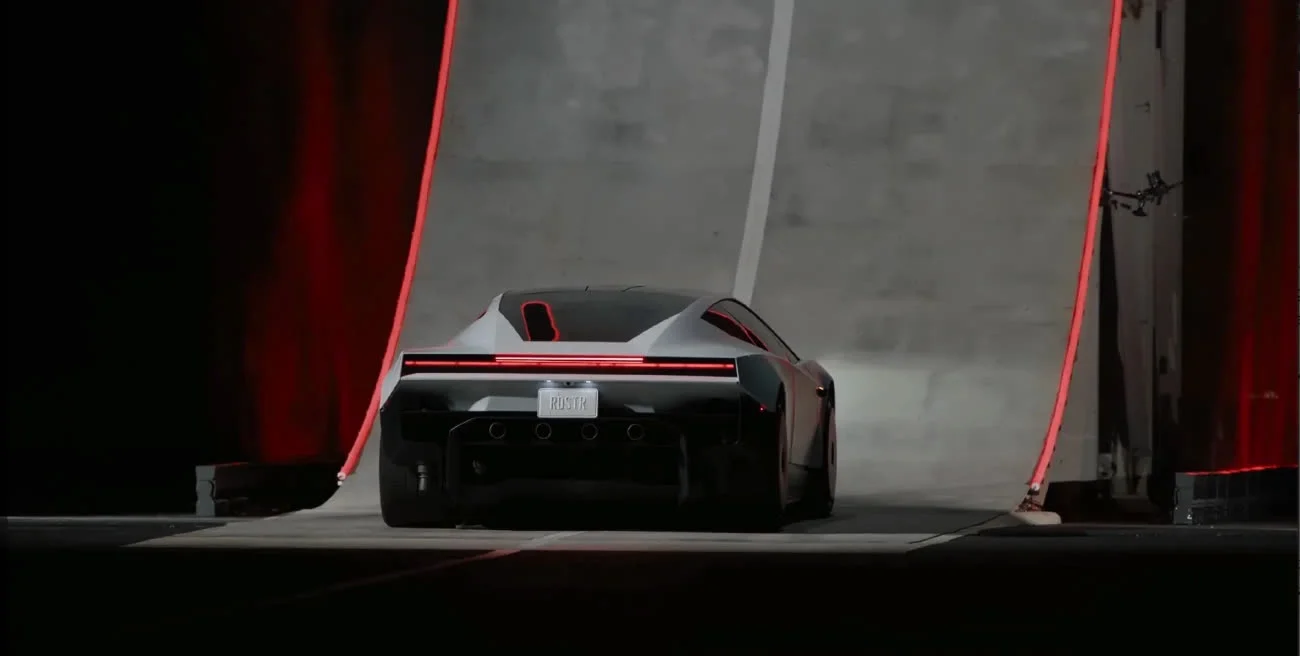
This new direction is also accompanied by a change of priorities. The announcement now speaks of more than 300 kilometers of autonomy, that is, just over 480 kilometers, while the initial project proposed about 1,000 kilometers. The four seats initially promised have also disappeared. Therefore, the Roadster presents itself less as a multi-purpose electric sports car and more as a specialized performance machine. However, nothing allows us to precisely attribute the evolution of autonomy solely to the addition of thrusters.
Large reserves, but still no final price
The amounts requested give a first idea of the positioning, as long as they are not interpreted as sales prices. In the United States, Tesla requires $50,000 to book the performancewith a first payment of $5,000 and then an additional $45,000 within ten days. Thrust’s reserve reaches $250,000. The price of the Rocket has not been communicated.
Therefore, a payment of $250,000 does not mean that the car will cost that amount at delivery. Buyers assume a financial commitment while the final invoice and commercial calendar have yet to be finalized.
European availability requires the same caution. in your French Roadster PageTesla indicates: “Availability is subject to legal requirements and applicable laws in each region.” The manufacturer also warns that Rocket may not be offered everywhere. A successful demo does not constitute approval and the presence of a reservation page does not guarantee that all functions can be used in France.
2028: a new deadline after years of postponements
The calendar continues to be the sensitive point of the file. During the initial announcement, the first deliveries were planned for 2020. The following years brought new promises, without marketing. In November 2025, Elon Musk announced another demonstration before December. That of Texas finally represents visible progress, but it does not mean that industrialization has ended.
2028 designates a production target, not a guaranteed date for handing over the keys. It will still be necessary to detail the performance of the vehicles delivered, the configurations accessible according to the markets and the conditions of use of the most extreme equipment.
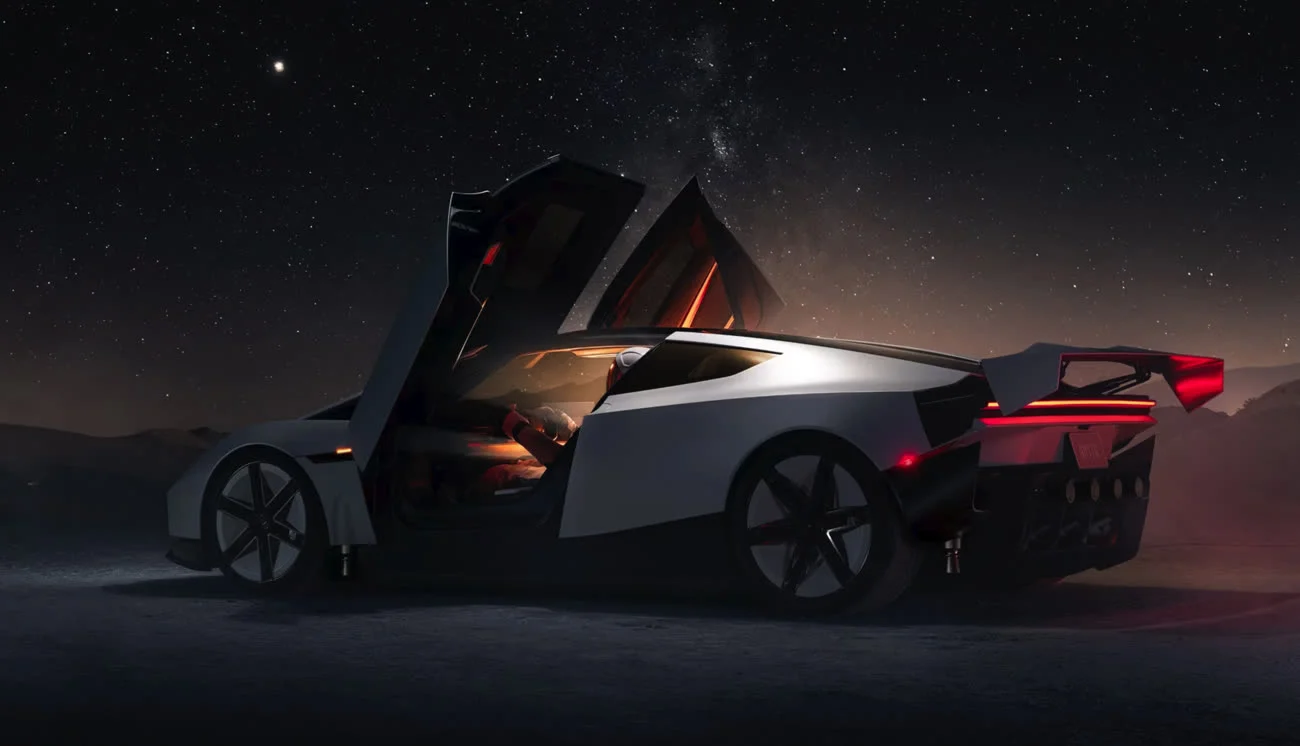
With this Roadster, Tesla is looking above all for a car capable of embodying its technical ambitions. The collaboration with SpaceX produced a spectacular demonstration; The next step will be less photogenic, but decisive for customers: transforming these capabilities into a product that is reproducible, marketable and usable within a clearly defined framework. It is in this industrial field, as well as in that of accelerations, where the credibility of the project will now be at stake.


