

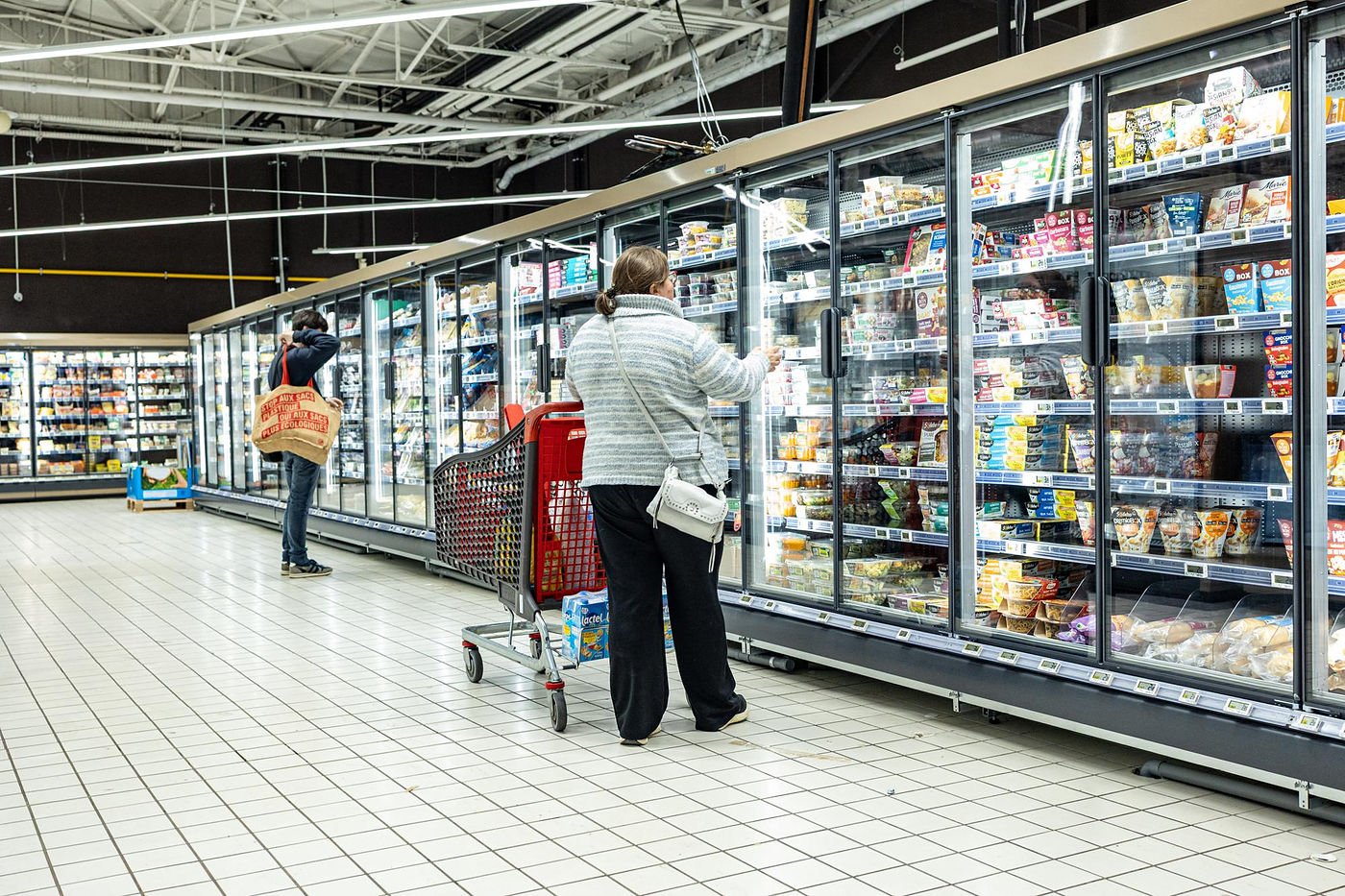
A new wave of cyber attacks disrupted the refrigeration facilities of European supermarkets during the night of Sunday, November 1 to Monday, November 2. After the French stores affected in October, Belgian, Swedish, Luxembourg and Estonian brands are also reporting abnormal temperature increases in their refrigerators and freezers.

Several supermarkets affected by a cyber attack targeting refrigerators
Belgium is among the most affected countries. About forty Delhaize stores suffered disruptions. 15 Carrefour stores and fifteen Intermarché stores are also affected, as well as five Spar convenience stores. The De Laet and Van Haver butchery group has also reported anomalies in its refrigeration equipment.
In Delhaize, store managers received an SMS alert around 4 a.m. Some freezers have reached temperatures close to 15°C, compromising the conservation of fresh and frozen products. In Overijse, the director of a Delhaize Proxy had to empty his store when he found that his facilities were releasing hot air. Other merchants were also forced to throw away their goods.
Carrefour Belgium confirmed the incident in a press release. Of more than 700 stores, only 15 were slightly affected. The brand specifies that no hypermarket is affected and that all its points of sale have remained open. In Delhaize, distribution centers also continue to operate normally, despite the temporary reduction in supply in some stores.
Hackers activate defrost mode remotely
The mode of operation presents similarities with that observed in France in October. Hackers took control of the refrigeration facilities to remotely activate the evaporator defrost mode. This function is normally used to remove frost accumulated on the equipment. Its activation here causes a sudden increase in temperatures.
The first alerts went off around midnight. The brands began to mobilize their technicians starting at 1 in the morning and disconnect the affected facilities from the network. The Belgian company Sabcobel claims to have identified around twenty affected computers among the hundreds it manages in Belgium.
Its manager believes that a simple software update is not enough to correct the vulnerability. Recommends physical modifications to the facilities or their management through a secure Internet connection. According to him, several clients have already adopted this latest solution after the French attacks.
Sweden and Estonia were also affected
The disorders extend beyond the Belgian borders. In Sweden, six Coop stores have reported problems with their refrigeration equipment. The ICA chain also confirmed that several of its establishments had been affected. One brand store indicated in particular that its refrigerators and freezers were set to 50°C, as was the case in France.
In Estonia, manufacturer Kitman Coldtech confirmed that a hacker had accessed a computer that controlled a supermarket’s refrigeration facilities to increase its temperature to 50°C. The intervention solved the problem in a few minutes, without significant damage. Swedish cybersecurity authorities are also tracking several similar incidents.
This new offensive occurs three weeks after the cyber attack on refrigerators on October 12 in France. Several hundred supermarkets were affected, in particular Intermarché and Coopérative U. The facilities suffered temperature increases of up to 50 °C, causing significant losses of goods. The Anti-Cybercrime Office opened an investigation. At the moment, there is no evidence to formally establish a link between the different European operations.


